(Women in Prehistory: The Untold Story)
For centuries, history has been told from a singular perspective, shaping our understanding of society, power, and progress. But what if the stories we’ve accepted as truth are only part of the picture?
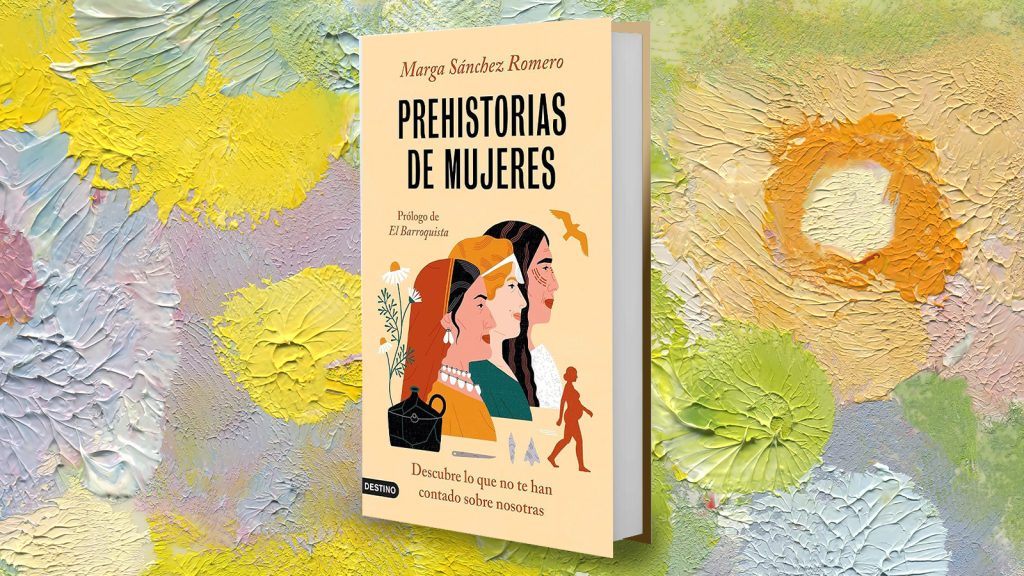
In Prehistorias de Mujeres: Descubre Lo Que No Te Han Contado Sobre Nosotras, archaeologist Marga Sánchez Romero invites us to rethink the role of women in prehistoric societies, dismantling outdated myths and uncovering the real contributions of our earliest female ancestors. This book is a fascinating exploration of how scientific interpretations of the past have been influenced by cultural biases, often reinforcing restrictive gender roles that may never have existed.
One of the most enduring misconceptions is that prehistoric women were passive caregivers while men hunted, built, and led. But what if that’s not the full story? Sánchez challenges this narrative, revealing how archaeological interpretations—particularly those shaped in the 19th century—projected contemporary gender norms onto prehistory. In reality, prehistoric women were likely far more involved in decision-making, social organization, and economic contributions than history has traditionally acknowledged.
Reading this book made me reflect on how assumptions shape our world—not just in history, but in business as well. That’s why I gifted this book to Ana, our HR leader in LATAM. She is young, ambitious, and already coordinating HR across South America. Like the women in this book, she is reshaping leadership, breaking barriers, and proving that talent—not outdated perceptions—defines success.
At PQE Group, we believe in challenging outdated norms, whether in history, leadership, or industry. Just as this book reexamines the historical record to restore women’s rightful place in prehistory, we strive to elevate diverse voices, break barriers, and foster leadership based on ability and vision—not traditional expectations.
Unfortunately, Prehistorias de Mujeres is not yet available in English yet, but for those who read Spanish, I highly recommend it. It’s an eye-opening read for anyone passionate about history, gender studies, archaeology, or leadership—especially those who seek to question dominant narratives and explore the untold stories that have shaped our world.
This book is more than just a historical reevaluation. It’s a call to rethink the past so we can build a more equitable future. The stories we amplify today will shape the leaders of tomorrow.