The next generation of entrepreneurs will build businesses in a very different world.
The longer I work in Life Sciences, the more I appreciate how often we are asked to evolve. Some changes happen gradually as we gain experience, while others arrive quickly and challenge the way we work, lead, and contribute to our communities. Remaining curious and open to what the world brings has helped me through both.
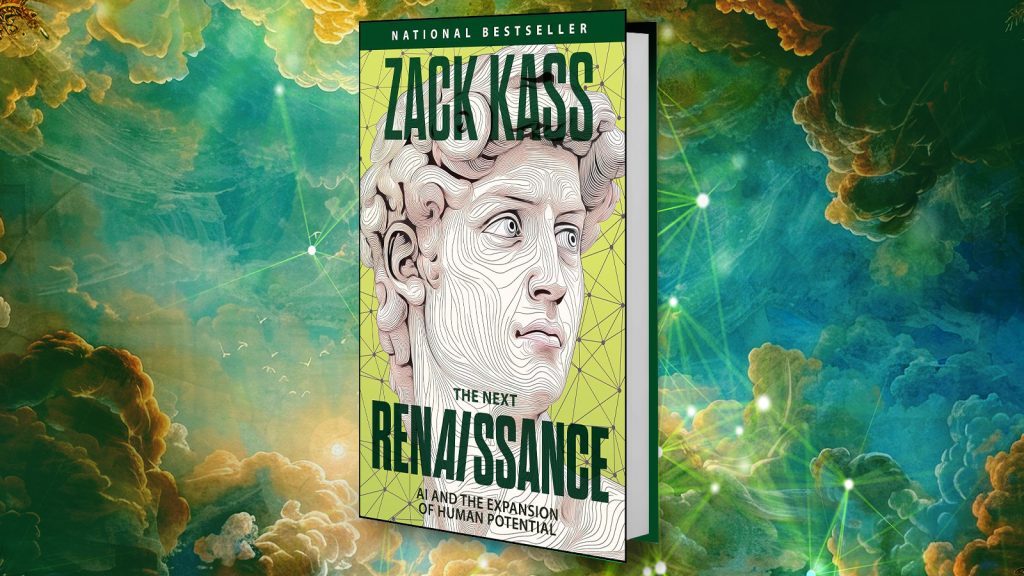
Zack Kass’s “The Next Renaissance” offers a refreshingly optimistic perspective on artificial intelligence and its potential to expand what people can accomplish. As a leader in Life Sciences, an industry that relies heavily on technology to improve lives, I appreciate his outlook on how it can support creativity, discovery, and a more compassionate world. For entrepreneurs especially, AI creates opportunities for developing businesses by reducing routine work, helping smaller teams explore ideas they previously lacked the resources to pursue, and much more.
When I founded PQE Group, I wanted to build a company that could contribute to progress in Life Sciences. Over the years, that ambition has grown through the people I have worked with and the global communities we have become part of. Different countries have taught me different lessons, and each stage of the business has required me to reconsider something I thought I already understood.
Technology asks us to remain open in much the same way. It can be uncomfortable to learn a new approach when we have spent years becoming confident in an established one. However, adaptability, curiosity, and creativity help leaders recognize where a familiar process could improve and imagine a different way forward. Enhancing how we work can have an impact well beyond a single organization and make the processes behind patient care more reliable.
I identify with Kass’s outlook because I want to understand how new capabilities can help people make meaningful contributions to society. Emerging entrepreneurs and smaller businesses often have innovative ideas worth pursuing but limited people, funding, and time that don’t allow it. Tools that help them analyze information, organize work, and test an approach could give those ideas a better chance of progressing.
My enthusiasm also comes with the responsibilities of working in a regulated industry. The next generation of leaders will need both openness and the discipline to question what technology produces. We need to understand what a tool does well, where its limitations lie, and who remains accountable for its use. Leaders must have the knowledge and confidence to challenge an output before relying on it. These considerations are part of making inventions useful and earning the trust of those affected by them.
I recommend that you accept the invitation of “The Next Renaissance” and stay involved in the changes unfolding around us. AI gives entrepreneurs at every stage another opportunity to extend the benefits of progress to more communities. I want to keep learning and contributing to that effort with care. After all, who doesn’t want to expand their potential?