
You’re never too old to learn, reflect, and evolve into a wiser version of yourself.
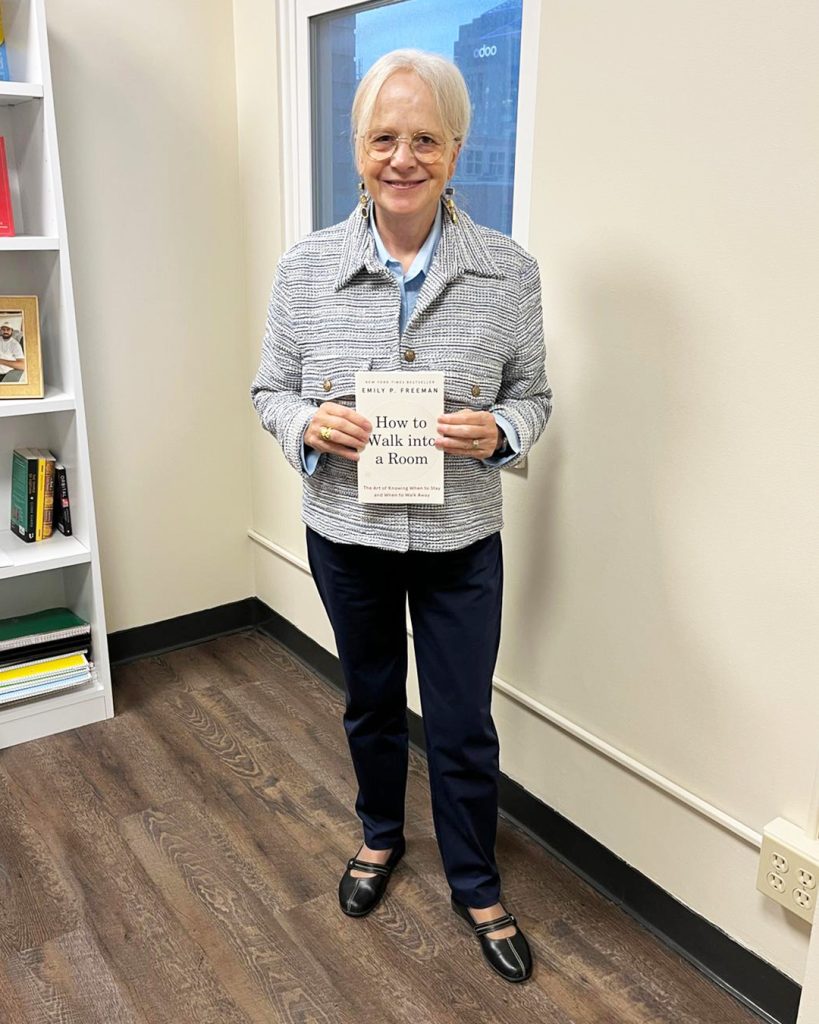
I continually evaluate my own leadership style and the intersection of administration, purpose, and transition to ensure that I show up as the best person I can be for my family, friends, and colleagues. I recently read How to Walk into a Room: The Art of Knowing When to Stay and When to Walk Away by Emily P. Freeman. It’s a deeply thoughtful book about recognizing when a professional, personal, or even philosophical space no longer fits who we are becoming.
Much like the turning of the seasons, Freeman reminds us that transformation often begins in endings. Their reflections provide language for the moments of quiet uncertainty that precede change. She asks: How do we know when to stay, and when to move on? And, more importantly, how do we leave well?
In Life Sciences, this resonates profoundly. Our industry is built on progress and constant adaptation with new data, therapies, and technologies. Knowing when to pivot, whether in a project, a partnership, or a mindset, is often the hardest part of leadership. The book reminds me that discernment, not speed, is what sustains meaningful innovation.
Freeman encourages readers to notice the difference between peace and avoidance, between endings and evolution. That framework applies just as much to organizations as it does to individuals. Because growth, in the truest sense, often begins the moment we realize that one chapter has served its purpose and another is waiting to be written.For anyone in Life Sciences navigating transformation, How to Walk into a Room is a quiet but powerful guide to doing so with integrity, clarity, and courage. Highly recommended.