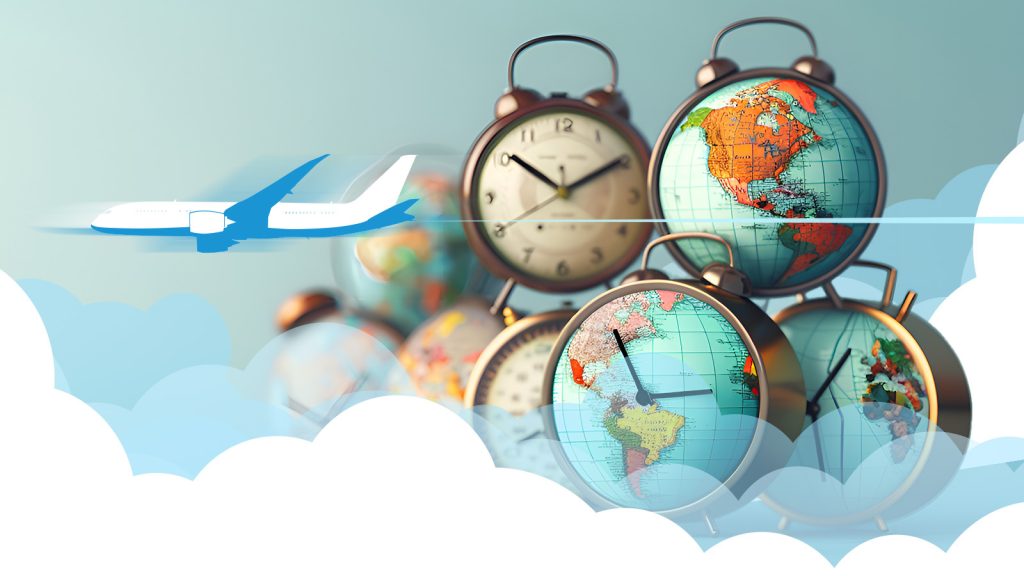
I’ve built a company across five continents. I’ve attended policy events in Washington, site visits in Mexico, meetings in Philadelphia, and cultural gatherings in Denmark — all within a single quarter.
I love what I do. I love what it enables. But somewhere between airports and boardrooms, I realised there’s one thing I haven’t always prioritised: my own physical well-being.
As leaders, we’re trained to track business performance, KPIs, and operational risks. But we rarely monitor what’s happening inside our own bodies. And yet, our presence, not just our ideas, is what moves companies forward. When your role depends on clarity, stamina, and sound judgement, your health becomes your most strategic asset.
Airports Aren’t Gyms. Hotel Buffets Aren’t Wellness Plans.
Global leadership is an immense privilege. But it comes with its own set of trade-offs: inconsistent sleep, long-haul flights, rushed meals, and missed workouts. I’ve experienced all of it. And I’ve also seen how small compromises, repeated often, can undermine even the most ambitious visions.
Recently, I made a quiet but firm commitment: to stop seeing health as something that fits in between work, and start treating it as a core part of how I lead.
This doesn’t mean hours in the gym or dramatic changes. It means choosing differently, with intention:
- Walking between meetings rather than relying on a car.
- Eating well because my body depends on it, not because a schedule allows it.
- Saying no to that extra Teams when my body needs rest more than another decision.
- Prioritising energy over urgency, sustainability over speed.
Modelling a New Kind of Resilience
At PQE, we often talk about adaptability. We pride ourselves on being resilient, especially in times of change. But I’ve come to believe that true resilience isn’t just about how well we respond externally. It begins internally.
If I want my team to bring energy, focus, and agility to their work, I have to model what that looks like through my actions, not just through my words.
That means treating rest not as weakness, but as wisdom. Honouring my body as much as I honour deadlines. And showing that leadership is not a performance to be maintained, but a responsibility that demands presence, mentally and physically.
Science continues to affirm what many of us have long felt: sleep isn’t optional. It’s a foundation for focus, emotional regulation, and long-term decision-making. When we treat sleep and recovery as essential, not indulgent, we unlock a more sustainable form of leadership.
Health Is Not a Pause from Leadership. It Powers It.
There’s no badge for burnout. And there’s no brilliance in running on empty.
In a world that moves faster than ever, I’m learning to move more intentionally because the person I bring to the table — the one sitting in that meeting, making that call, offering that feedback — is the most valuable resource I have.
If we want to lead with clarity and compassion, we have to take care of the one thing that travels with us, no matter the country, no matter the task: ourselves.
Let’s treat health not as a break from leadership, but as the very thing that sustains it.