
Leadership is not measured by how much we control, but by how clearly we choose where to engage.
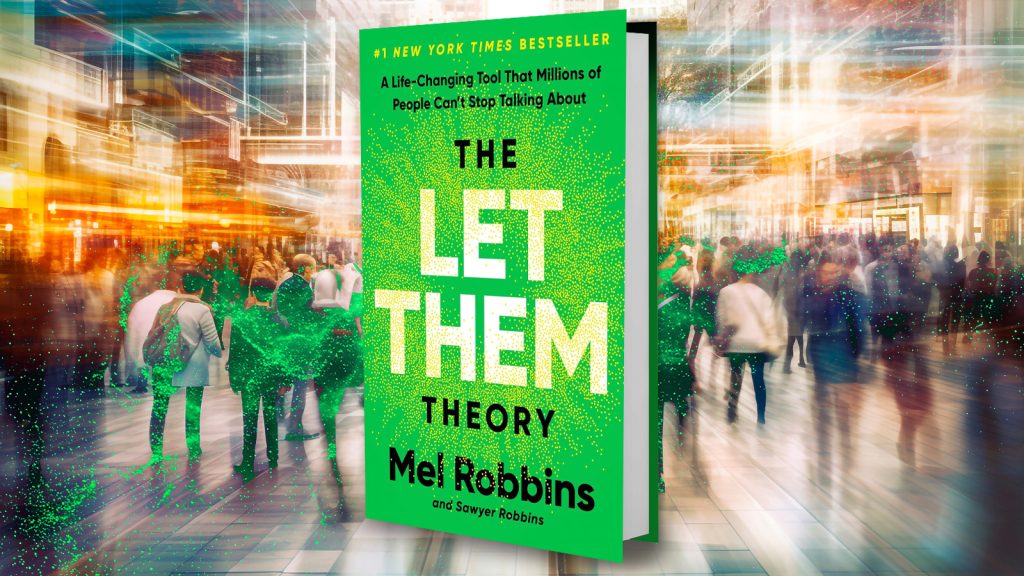
Some ideas stay with us not because they are complicated, but because they quietly name something we have been carrying for years. The Let Them Theory: A Life-Changing Tool That Millions of People Can’t Stop Talking About by Mel and Sawyer Robbins felt like one of those moments of recognition.
After decades of leadership in the Life Sciences, I have learned that not every situation improves when we step in. This is an industry shaped by regulation, responsibility, and constant decision-making, and yet many of the tensions leaders face come from trying to control what cannot be controlled. Instead, the book urges leaders to recognize that reactions unfold in their own time, alignment cannot be forced, and you cannot manage complexity through pressure. It gently challenges the instinct to intervene and invites a more thoughtful approach.
At its core, the message is about discernment. It asks leaders to pause and consider where effort truly creates impact and where pressure only adds noise. As responsibility grows, this awareness becomes essential. No leader can manage every response or solve complexity through intensity alone.
This perspective feels especially relevant in modern organizations. In highly regulated environments, precision and oversight are critical. They protect patients and safeguard integrity. But alongside that discipline is another truth that often goes unspoken. Clarity can emerge when leaders stop overcorrecting and allow people, systems, and decisions to take shape on their own.
Throughout my career, I have seen progress accelerate when leaders resist the urge to step in too quickly. Trust gives rise to accountability, and restraint creates room for talent to mature. Cultures grow stronger when people are empowered rather than managed into compliance.
The book also resonates in the context of global collaboration. In organizations that span cultures and communities, alignment cannot be imposed. It must be cultivated through shared purpose and mutual respect. Allowing differences to exist is what makes sustainable progress possible.
For me, leadership has always been about choosing responsibility over control and presence over pressure. Being effective is less about shaping every outcome and more about engaging with intention. It is about knowing when to move forward and when to step back.
The Let Them Theory does not offer an easy path. What it offers is perspective. In a time when science, technology, and society are moving faster than ever, that perspective may be one of the most valuable tools a leader can carry
Read more here.