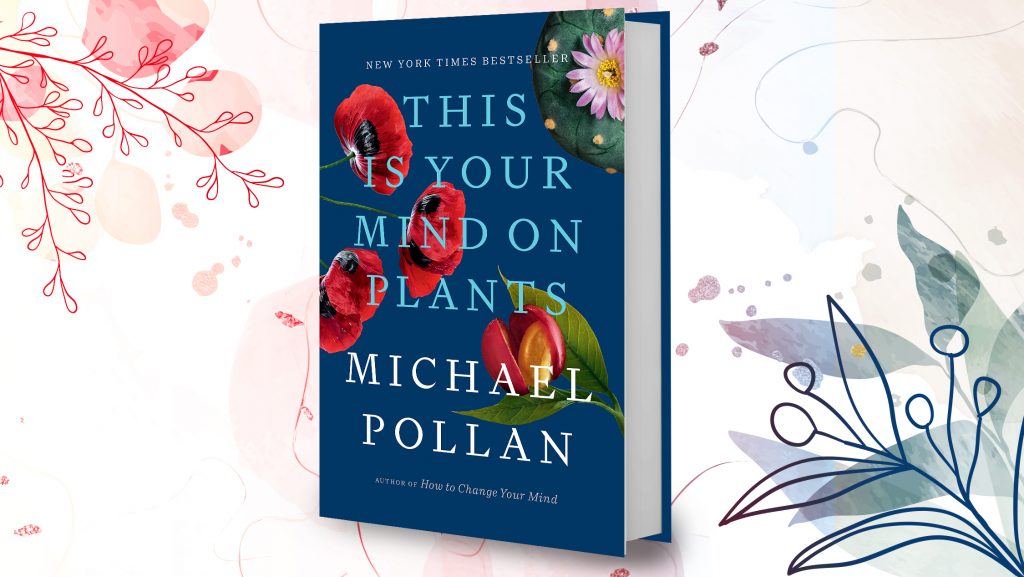
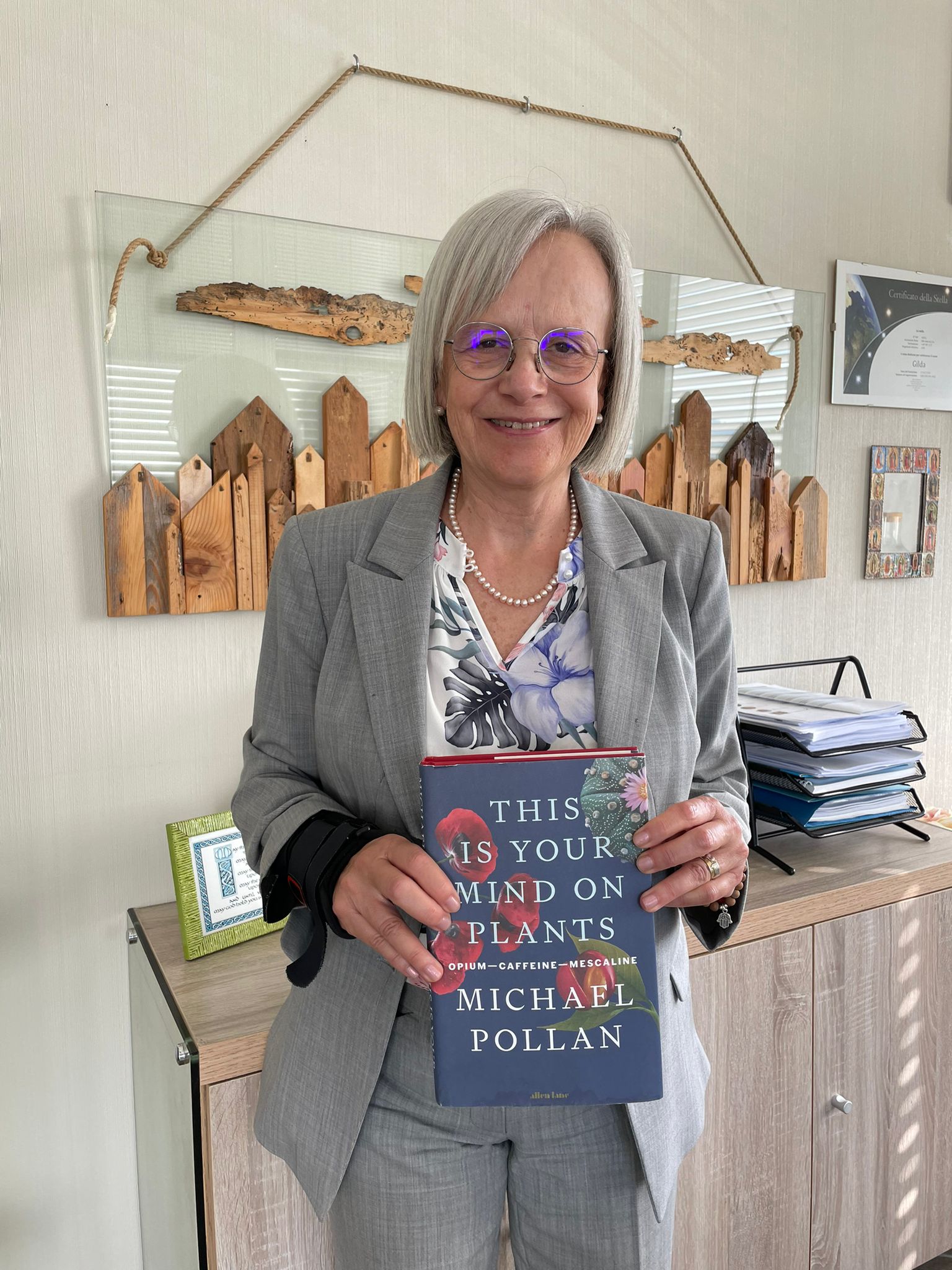
One of the most exciting aspects of working in the Life Sciences industry is that the landscape is constantly evolving – and so is its impact on our societies. The examination of different medicines and therapies along with the study of varying effects on humans provide an interesting perspective on the future of pharmaceuticals. I recently read the best-seller “This Is Your Mind on Plants” by Michael Pollan, which challenges readers to assess their concept of drugs and human attraction to psychoactive plants.
Pollan poses a very good question as the centerpiece of the text: why is it, seemingly, human nature to go to such great lengths to obtain shifts in consciousness? This is assessed throughout the book as Pollan highlights three plant drugs—opium, caffeine, and mescaline. He discusses taboos surrounding drugs as well as diverse cultures that explore and partake in their use. As someone who loves travel, nature, and understanding different cultural nuances and lifestyles, this was a unique read with a solid mix of history, science, memoir, and journalism.
An intriguing and incredibly relevant analysis Pollan emphasized was regarding caffeine and how it is largely normalized internationally, mainly with coffee and tea. Many people drink these caffeinated beverages daily to sharpen their minds, but we rarely view them as a drug – despite clearly stimulating effects – and do not generally associate their consumption with addiction. Pollan made a good point that most of what is deemed appropriate in society is simply due to available information and social norms, which is why making tea from the leaves of a tea plant is acceptable but making tea from a seed head of an opium poppy is a federal crime.
I recommend reading this book with an open mind and considering the variety of effects psychoactive drugs have on people and the profound ways they can facilitate a connection with nature. Overall, this text reflects the innate needs and aspirations of people and how our minds function in both our constructed and natural worlds.